How Diagnostic Imaging in Rwanda Is Improving Modern Healthcare?
Diagnostic Imaging in Rwanda

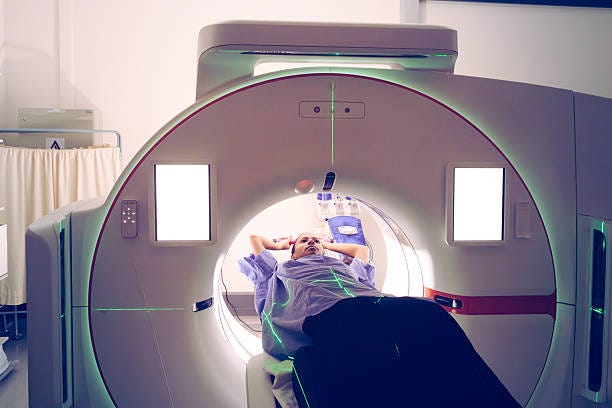
Healthcare is shifting—fast. And the main reason is that diagnostic imaging in Rwanda is finally becoming something every patient can actually reach. With high-end gear like the 1.5 Tesla MRI and digital X-rays, the days of waiting weeks for a result are basically over. These scans help doctors spot deep health issues early—which, let’s be honest, is the only real way to get a head start on recovery.
Picture a patient in Kigali. They’ve been dealing with a nagging pain that just won’t quit. For years, that usually meant a lot of expensive guesswork or a flight out of Rwanda just to get a decent scan. It was slow, it was stressful, and frankly, it was scary. But the vibe is changing. The explosion of diagnostic imaging in Rwanda has flipped the script—taking us from “guessing” what’s wrong to actually “seeing” it in high definition.
When a doctor can actually see what’s happening inside your body, the whole treatment plan gets a massive upgrade. Whether it’s a quick X-ray for a fractured bone or a detailed MRI for a brain scan, these aren’t just bulky machines. They are lifelines that give your medical team a clear map to follow.
Why This Tech Actually Matters (Real Talk)
We need to talk about why this is such a big deal: You simply cannot treat what you cannot see. Without a sharp CT scan or a 4D ultrasound, a doctor is basically flying blind (and nobody wants that). Modernizing Rwanda’s healthcare means medical decisions are now based on cold, hard data instead of just a clinical hunch.
Newer gear like the MRI 1.5 Tesla or Digital Mammography has changed everything. When you get a reliable report in a few hours, you can start the right treatment immediately. It’s about killing that “fear of the unknown” that keeps families up at night while waiting for medical news.
How the Process Works?
The workflow at a modern center is actually pretty smooth:
The Specialist Check: First, a doctor looks at your symptoms to pick the scan that makes the most sense for you.
The Scan Itself: You head in for your MRI, CT, or X-ray. These newer machines are way faster and much less intimidating than the old ones.
Expert Review: Radiologists dig into the digital images to find those tiny abnormalities that are easy to miss.
The Game Plan: Your doctor gets the report and decides the next move right then and there. No more “wait and see” approach.
Key Benefits You Should Know
Fast Results: You get answers almost immediately.
Total Accuracy: Doctors see the truth, not a “maybe.”
Early Catch: Spotting a problem before it turns into a disaster.
Digital Reports: Way more precise than old-school film.
Personal Insight: The Human Side of a Scan
Let’s be real—sliding into a large MRI tube is intimidating for anyone. But I’ve noticed that when a technician actually stops to explain how the magnet works or why the machine makes those loud clicking sounds, the patient’s stress just melts away. It’s a great reminder: while the tech is amazing, it’s that “human touch” that makes a medical center feel like a place of healing.